Transform Your Space: Clever Ways to Apply Sliding Door Solutions in Interior Design
Sliding doors have risen to prominence as a versatile yet sophisticated selection in today's interior design landscape. They deliver adaptability in space management, allowing homeowners to create distinct areas without giving up a sense of spaciousness. Their varied styles and finishes can enhance any decor. However, the potential applications of sliding doors go beyond mere aesthetics. Learning how to strategically use them could redefine a home's practical layout. What inventive possibilities might one explore?
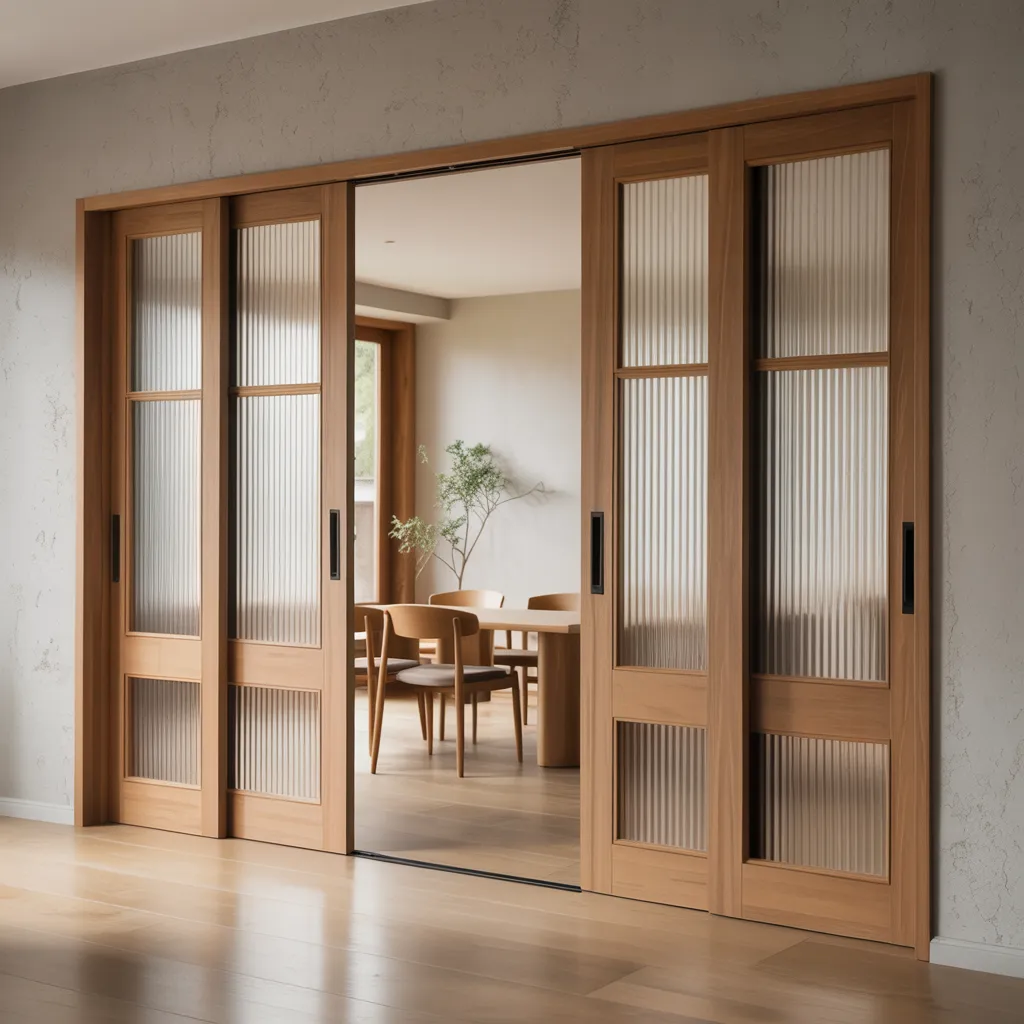
Selecting the Perfect Sliding Door Style for Your Home
When choosing a sliding door style for a home, homeowners should consider both functionality and aesthetics. The decision on material carries significant weight; options such as wood, glass, or metal can significantly impact the overall look and feel of a space. For a modern aesthetic, elegant glass doors may provide an elegant touch, while wooden doors can bring warmth and a classic appeal.
Furthermore, the door's configuration is crucial. Single, double, or pocket sliding doors each offer distinct advantages, depending on the layout and size of the room. Homeowners should also consider the finish and color of the door, making sure it harmonizes with the existing décor and creates a cohesive look.
Lastly, energy efficiency plays a vital role; selecting insulated options can help maintain comfortable temperatures. By combining aesthetics with functional requirements, homeowners can enhance their living spaces with the right sliding door choice.
How to Maximize Natural Light With Sliding Doors
Enhancing natural light through sliding doors can completely change a room, producing a welcoming and open environment. To achieve this effect, homeowners should consider installing large glass sliding doors that allow ample sunlight to flood in. Opting for frameless designs can further enhance this openness, minimizing barriers to light flow.
Positioning sliding doors carefully, such as overlooking a garden or patio, optimizes the link between inside and outside spaces. Additionally, integrating reflective surfaces, like mirrors or pale-toned decor, can amplify the luminosity allowed in by the doors.
Selecting sheer or light-filtering curtains can copyright privacy while still enabling sunlight to filter through. Moreover, picking sliding doors that open fully removes barriers, consequently optimizing the visual and physical space. By carefully considering design elements and placement, sliding doors can function as a stunning pathway for sunlight, enhancing the general atmosphere of any living space.
Why Use Sliding Doors as Room Dividers
Sliding doors function as efficient space dividers, enhancing space utilization in various interior layouts. They enable flexible configurations while keeping an airy ambiance, enhancing the overall flow of a room. Moreover, these doors boost the distribution of natural light, creating a brighter and more inviting environment.
Space Optimization Benefits
Employing sliding doors as room dividers reimagines spaces by enhancing both functionality and aesthetics. These doors provide a adaptable solution for optimizing space, enabling areas to be reorganized easily according to preferences. Unlike traditional doors, sliding doors do not need swing space, making them well-suited for smaller rooms where every inch matters. This feature facilitates more effective use of available floor space, enabling furniture arrangements that might otherwise be difficult. Additionally, sliding doors can form distinct zones within open-concept areas, providing privacy when needed while preserving an airy feel. Their versatility enables seamless transitions between spaces, contributing to a more efficient and productive environment, ultimately enhancing the overall living experience.
Amplified Natural Light
Natural light serves a vital function in improving the atmosphere of indoor areas, and sliding doors offer an ideal solution to enhance this quality. By incorporating sliding doors as room dividers, homeowners are able to achieve an uninterrupted movement of light between spaces, minimizing reliance on artificial lighting. These doors, often constructed from glass, allow sunlight to penetrate deeper into the home, illuminating even the darkest areas. Additionally, they offer flexibility in design; when opened, they create an expansive feel, making spaces appear larger and airier. This adaptability not only improves natural lighting but also cultivates a link with the outside world, inviting the surrounding environment into the living space. Ultimately, sliding doors can transform how light interacts within a home.
Sliding Doors for Increased Privacy
As many homeowners look for openness in their home spaces, adding sliding doors can significantly improve privacy without compromising style. These versatile features allow for the creation of secluded areas within an otherwise open floor plan. For instance, sliding doors can effectively separate a home office from the main living area, providing a quiet retreat for work or study.
In addition, frosted and decorative glass alternatives can afford visual privacy while still letting natural light flow through. This balance between seclusion and brightness is especially valuable in urban spaces, where distractions and noise are frequently encountered. In addition, sliding doors can effectively conceal laundry areas or storage rooms, preserving a clean and organized look throughout the home. By thoughtfully integrating sliding doors, residents can appreciate the combined benefits of privacy and refined aesthetics, building functional and appealing environments that meet their evolving needs.
Innovative Spots for Sliding Doors Throughout Your Home
Sliding doors may be thoughtfully positioned in numerous spots within a home to boost both usability and aesthetic value. In open-plan living areas, they act as smooth partitions, enabling adaptable room arrangements while keeping the space feeling expansive. Fitting sliding doors between the sitting room and dining room can facilitate easy changes during gatherings.
In bedrooms, sliding doors can provide access to closets or en-suite bathrooms, maximizing space and minimizing clutter. They are also able to open onto outdoor patios, seamlessly connecting indoor and outdoor living.
Moreover, they can be used in home offices, offering privacy when necessary, yet easily pulling back to encourage collaboration. As a final point, including sliding doors in hallways can create stylish storage solutions or reading nooks. Each of these locations enhances both the practicality and visual appeal of a home, demonstrating the range of sliding door configurations.
Maintenance Tips for Long-Lasting Sliding Doors
To ensure sliding doors continue to be visually appealing and operational, consistent care is required. Setting up a regular cleaning routine helps prevent the buildup of dirt and debris, while periodic inspections of the rollers can identify potential issues before they escalate. Such habits support the durability and efficient performance of sliding doors throughout any environment.
Routine Cleaning Schedule
A consistent maintenance routine is crucial for sustaining the practicality and visual appeal of sliding door systems. Frequent dusting prevents dirt accumulation, which can cause scratches and reduce aesthetic value. With a gentle cloth and mild cleaning solution, one should wipe down the glass surfaces and frame on a weekly basis to guarantee a pristine appearance. In addition, the tracks require careful attention, as accumulated debris may block motion; a brush or vacuum can thoroughly remove debris from this section. It is strongly recommended to inspect for moisture or mildew growth, most notably in moisture-prone spaces, and resolve these issues quickly. By adhering to this routine, homeowners can extend the lifespan of their sliding doors while preserving their aesthetic appeal and functionality.
Inspect Rollers on a Regular Basis
Regularly inspecting the rollers of sliding doors is crucial for ensuring smooth operation and longevity. These components are fundamental for the door's movement, and any deterioration or harm can lead to functional complications. It is recommended to inspect for debris, dirt, or rust that may hinder performance. Additionally, evaluating the alignment of the rollers can minimize potential problems, such as improper positioning or sticking. If any irregularities are detected, addressing the roller replacement quickly can prevent unnecessary expenses and delays down the line. Treating the rollers with lubricant with compatible materials can also boost their efficiency and increase their longevity. By adopting this easy care routine, homeowners can enjoy the aesthetic and functional benefits of sliding doors for years to come.

Questions Our Clients Often Ask
Are Sliding Doors an Effective Solution for Small Spaces?
Sliding doors prove highly practical in limited spaces, as they demand no rotational clearance, maximizing floor area. Their versatility allows for innovative room separation and increased natural light, contributing to an open and airy atmosphere.
Which Materials Work Best for Sliding Doors?
Wood, metal, and glass are outstanding material choices for sliding doors, with each one delivering unique design qualities and functional advantages. Wood provides warmth, glass improves the flow of natural light, and metal adds durability, suiting diverse aesthetic preferences and varying see the facts space demands.
How Can Sliding Doors Influence Your Home's Resale Value?
Sliding doors may greatly improve home resale value by improving visual appeal, maximizing space utilization, and boosting natural light. Buyers often appreciate modern features, rendering homes with sliding doors more attractive in today's demanding property markets.
Are Sliding Doors an Energy-Efficient Option?
Sliding doors can be energy-efficient when they are correctly installed and insulated. Their large glass panels allow natural light, but high-quality materials and seals are necessary to minimize heat loss, improving the overall energy efficiency of a home.
Can I Install Sliding Doors Myself?
Indeed, one can set up sliding doors by yourself, given that one has basic carpentry skills and the right tools. However, consulting the manufacturer's directions and confirming precise measurements is vital for a proper setup and optimal performance.